Introduction
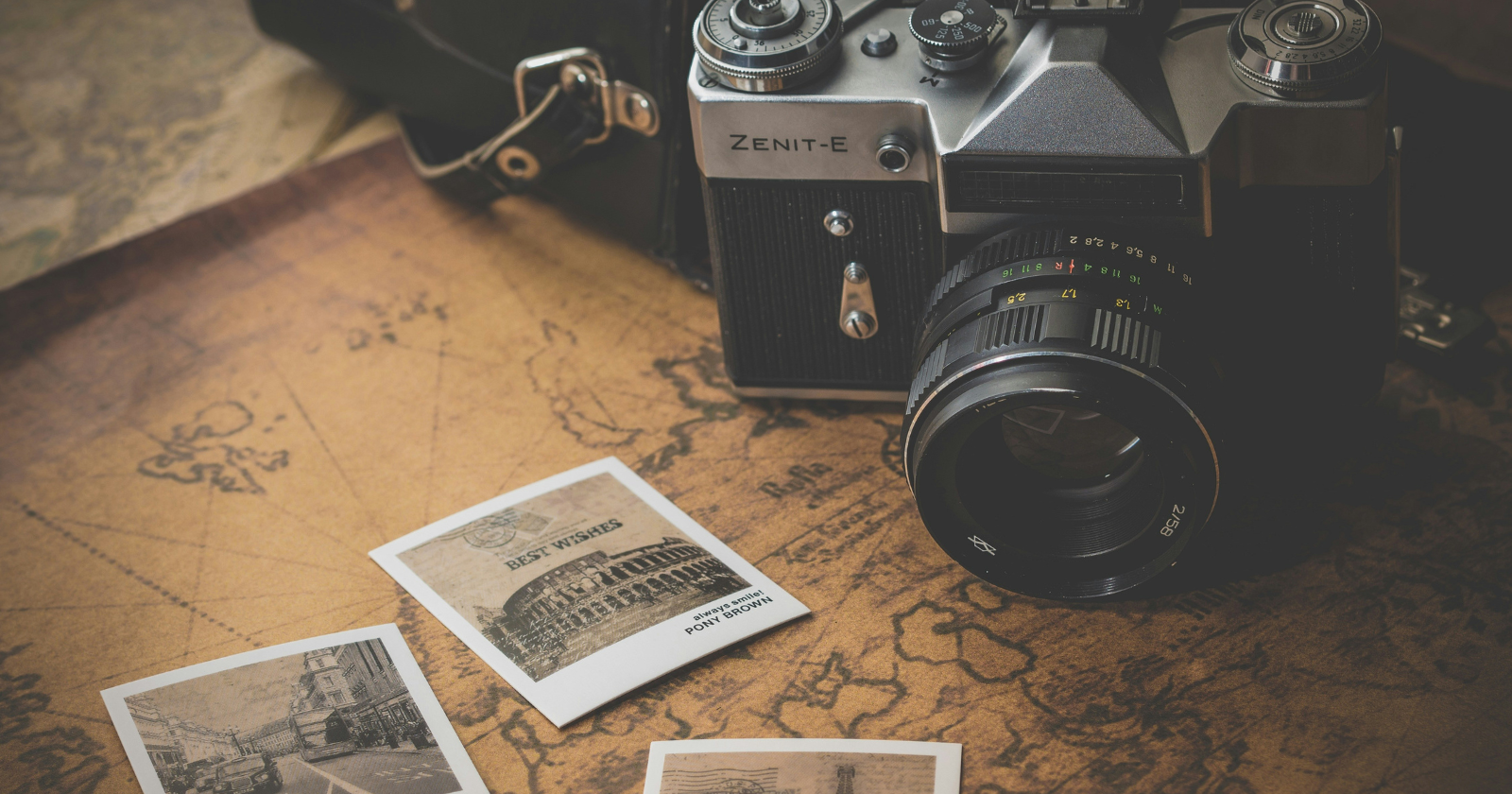
Wedding photography requires a camera that performs well in different lighting conditions, captures emotions clearly, and delivers high-quality images. Choosing the Best Camera for Wedding Photography ensures sharp portraits, smooth details, and natural skin tones. Whether you are a beginner or a professional, selecting the right camera can make a huge difference in your shoot results.
Why Camera Choice Matters in Wedding Photography
Weddings involve fast moments, movement, and emotions. A good camera helps you capture natural expressions, low-light indoor scenes, and outdoor ceremonies with clarity. The right camera provides better autofocus, color accuracy, and image depth which makes the wedding album look beautiful and professional.
Features to Look for in the Best Camera for Wedding Photography
- Good performance in low-light conditions
- Fast and accurate autofocus
- High-resolution sensor for sharp images
- Dual memory card support for backup
- Long battery life for long events
- Lightweight body for easy handling
Best Camera for Wedding Photography (Recommended Models)
Canon EOS R6
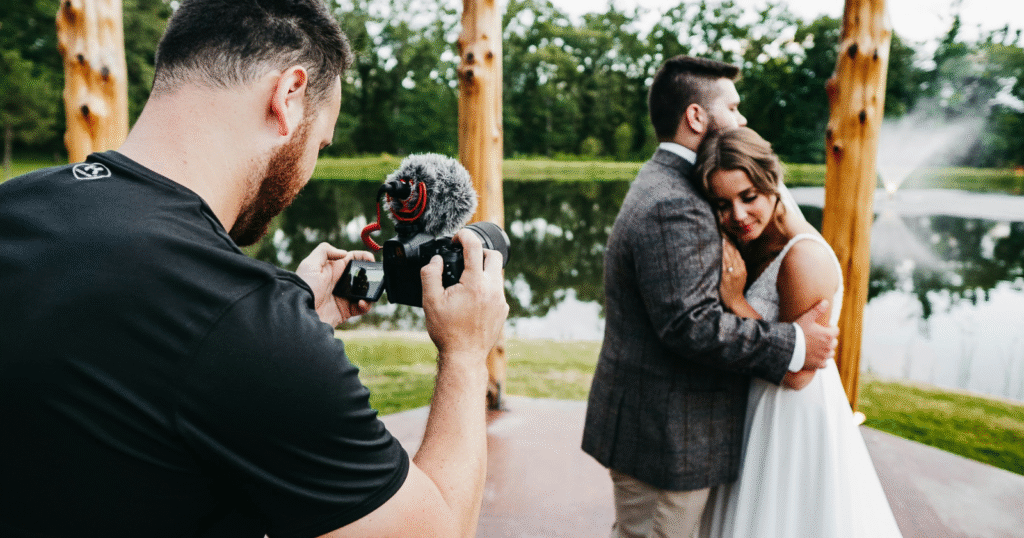
Canon EOS R6 is an excellent choice for wedding photography because it offers strong autofocus, reliable low-light performance, and natural color output which is ideal for skin tones.
Why it is good for weddings
- Works great in dim lighting like receptions
- Smooth face and eye focus tracking
- Produces warm and natural colors
Sony A7 IV
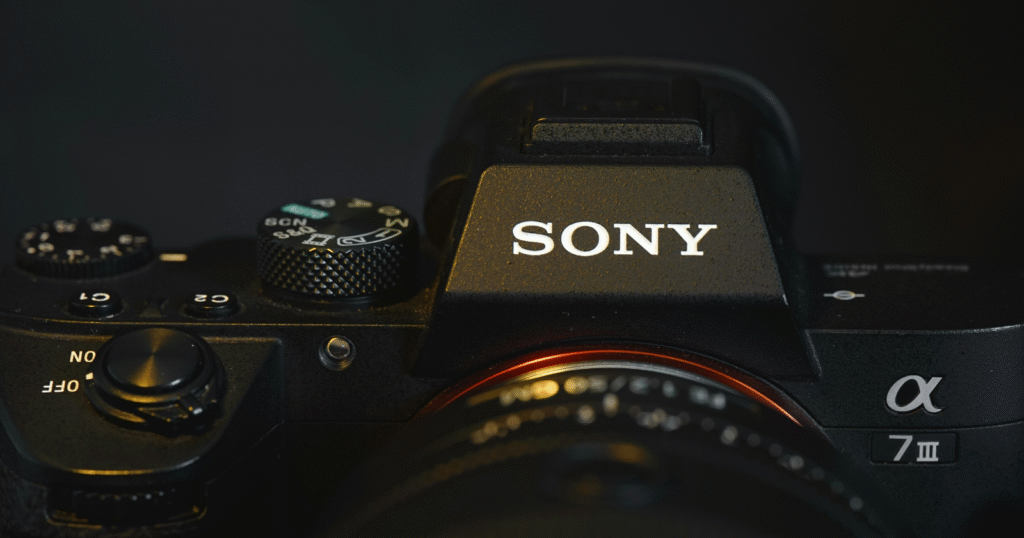
Sony A7 IV is known for its advanced autofocus and sharp image quality. It is suitable for both photo and video wedding coverage.
Why it is good for weddings
- Accurate eye autofocus
- Strong low-light performance
- Good for cinematic wedding videos
Nikon Z6 II
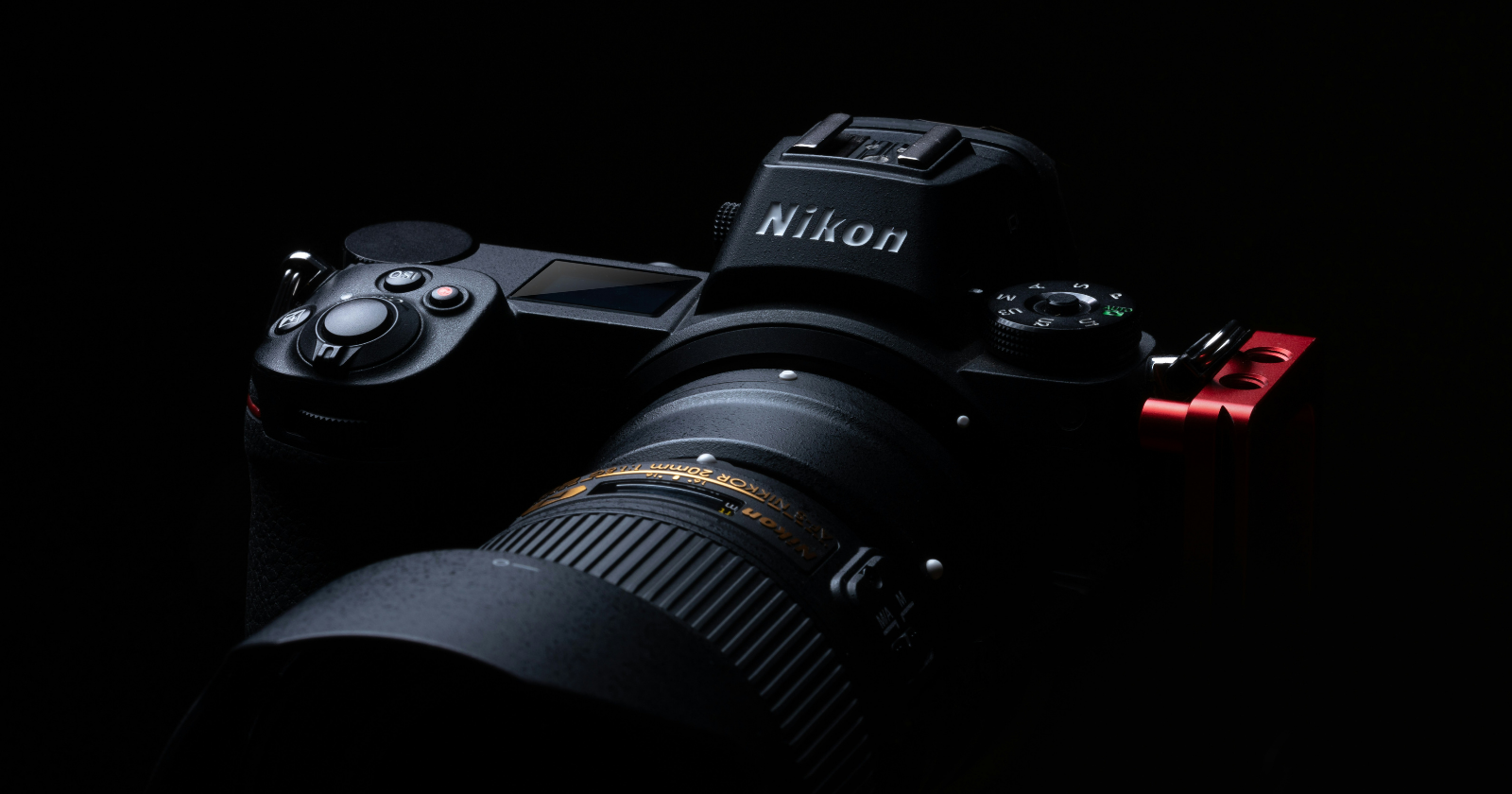
Nikon Z6 II offers excellent balance between image quality and speed. It is a reliable choice for wedding shoots.
Why it is good for weddings
- Sharp image output
- Fast continuous shooting
- Comfortable to use for long events
Best Lenses for Wedding Photography
The camera is important, but lens selection plays a key role in creating emotional wedding portraits.
Popular lens choices:
- 50mm f/1.8 for natural portraits
- 24-70mm f/2.8 for general wedding coverage
- 70-200mm f/2.8 for candid and far-distance shots
Tips for Better Wedding Photography
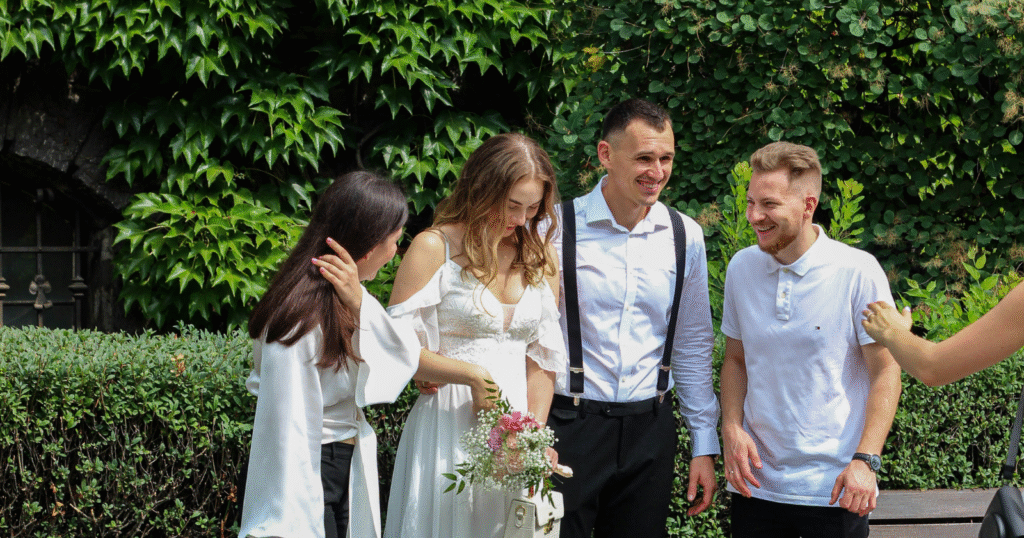
- Capture natural expressions rather than forced poses
- Use natural light during outdoor ceremonies
- Maintain consistent white balance
- Shoot candid moments to bring real emotion
- Always keep spare batteries and memory cards
Conclusion
Choosing the Best Camera for Wedding Photos ensures your images are clear, emotional, and beautifully composed. Focus on low-light performance, strong autofocus, and lens compatibility when selecting your camera. With practice and the right equipment, you can create wedding photos that couples will cherish forever.
FAQ – Best Camera for Wedding Photography
The best camera for wedding photography is the one that performs well in low light and offers accurate autofocus. Mirrorless cameras like Canon R6, Sony A7 IV, and Nikon Z6 II are preferred due to their speed, clarity, and natural color tones.
Mirrorless cameras are generally better for wedding photography because they provide faster eye autofocus, lighter weight, and real-time previews in the electronic viewfinder. However, DSLRs still offer strong battery life and durability, so both can work depending on your style.
A 50mm f/1.8 or 85mm f/1.8 lens is ideal for wedding portraits because it produces natural background blur and highlights facial expressions beautifully. These lenses are perfect for capturing emotional and close-up moments with smooth depth of field.
Yes, carrying two cameras is helpful. One camera can be used for portraits with a prime lens, while the other can be set up for wider shots with a zoom lens. This saves time during fast-moving wedding moments and prevents missing important scenes.
Low-light performance is essential because many wedding events happen indoors or during evening receptions. A camera with high ISO performance and image stabilization ensures clean, sharp photos without noise or blur, even in dim lighting.
You can use a kit lens, but it may not provide the depth, sharpness, or low-light flexibility needed for weddings. Upgrading to lenses with wide apertures like f/1.8 or f/2.8 allows better background blur and improved clarity, especially in emotional portrait moments.
